
Top 10 Things to Know Before Moving to Costa Blanca
Planning a move to Spain's Costa Blanca? Here are the ten most important things to consider — from residency and healthcare to property buying and daily life — based on real experience.
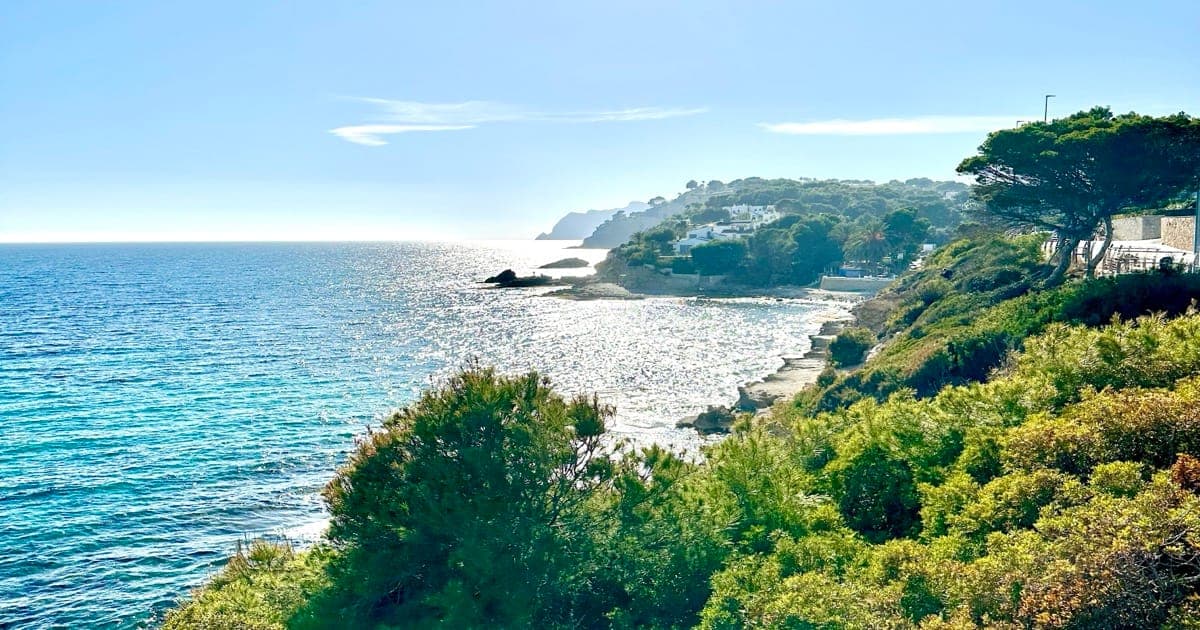
Moving to Costa Blanca is one of the most exciting decisions you can make — but it comes with questions. After living in Jávea for ten years and helping dozens of families navigate the process, here are the things I wish someone had told me from day one.
1. Get Your NIE Number First
The NIE (Número de Identidad de Extranjero) is your foreign identification number in Spain. You need it for almost everything: opening a bank account, buying property, signing contracts, even getting a phone plan. Start the process early — it can take weeks depending on the office.
2. Understand the Real Cost of Property
The purchase price is just the beginning. Budget an additional 10–13% for taxes, notary fees, registry fees, and legal costs. If you're buying with a mortgage, add bank fees too. A good lawyer is non-negotiable — they'll check the property is free of debts and legal issues.
3. Healthcare Has Two Tracks
Spain has an excellent public healthcare system (Seguridad Social), but access depends on your residency and employment status. Many expats start with private health insurance (around €80–150/month) and later transition to the public system once they're registered.
4. The North and South Are Very Different
Costa Blanca stretches from Dénia in the north to Torrevieja in the south. The north (Jávea, Moraira, Calpe, Altea) is greener, more mountainous, and has a more international feel. The south is flatter, sunnier in winter, and generally more affordable. Spend time in both before deciding.
5. Schools Require Early Planning
If you're moving with children, research schools at least 6–12 months ahead. International schools have waiting lists, and public school enrolment periods are strict. The Spanish school system is different from what most Northern Europeans are used to — visit in person if possible.
6. Learn Some Spanish
English is widely spoken in expat areas, but daily life is much smoother with basic Spanish. Dealing with town halls, utility companies, and local tradespeople will always require some Spanish. Even a basic conversational level makes a huge difference.
7. The Rental Market Moves Fast
If you're renting before buying (which is smart), be prepared to act quickly. Good long-term rentals in popular areas like Jávea go within days. Have your documents ready: passport, NIE, proof of income, and references.
8. Taxes Are More Complex Than You Think
Becoming a Spanish tax resident means declaring your worldwide income. There's income tax (IRPF), wealth tax, and if you own property, annual IBI (council tax). A good gestor (tax advisor) familiar with expat situations is essential — don't try to navigate this alone.
9. The Lifestyle Is Real
This isn't just a marketing promise. The climate, the food, the pace of life — it really is as good as people say. Mornings at the beach, fresh market produce, year-round outdoor dining. But it takes 6–12 months to truly settle in and build your routine.
10. Talk to Someone Who's Done It
Reading online can only take you so far. At some point, you need a conversation with someone who understands the process from personal experience. That's exactly why I created the Call Before Moving consultation — a 90-minute honest conversation about what to expect, what to plan, and what to avoid.
Ready to take the first step? Book a Call Before Moving consultation — 90 minutes, €127, and you'll leave with more clarity than months of googling.